Established in April, 2022, The Ecological Archive is a California-based 501(c)(3) non-profit organization dedicated to gathering and sharing nature datasets with the goals of promoting environmental sustainability, regenerative agriculture, education, and the advancement of ethical artificial intelligence research.
To achieve this, we support and conduct ecological surveys using cutting edge technologies in full collaboration with creators, ecologists, universities, indigenous peoples, and governments. With their oversight and approval, we host this essential data free to the world through partnership with the Internet Archive.
Enitirely self funded, we have spent the past years researching sensor technology while executing pilot studies near and afar to better underestand the difficulties involved in data collection. Our current objective is to fund raise for the organization and execution of a full scale longitudnal undercanopy survey of a yet undisclosed site in New Zealand using a wide variety of networked sensors.
Used wisely, technology can help us know the world in the deepest and most unbiased way possible. At this moment in the history of technological intelligence, it's crucial we realize the limitations of our perception, and focus on providing the objective truth of observation. Ultimately, by committing ourselves to a deeper understanding, we can heal and protect the integrity of this intricate web of life we all share.
Board
Amelia Cronan
Kyle Grant
Emily Soward
Chris Birke
Volunteers
Iris Bull
Heather Saal
Skylaar Ford
Clay Joy Smith
Vision
The Ecological Archive exists for two primary reasons. One is to remember and appreciate in greatest detail this Earth that we live in. The other is to give agency to the land by allowing nature itself to use technology as guided by it's own needs. We are here to observe and share the memories.
It is our hope this specific approach to data collection will provide the furtile ground from which a new paradigm in conservation technology emerges.
A Voice For The Forest
If we imagine a world five years from now where real-time 3D neural radiance fields, multi-sensor ecological data, and ever advancing AI architectures are fully integrated, what emerges is not just a dataset, but a living digital model of the ecosystem itself. Endowed with the ability to communicate with other natural intelligence systems, sites in different biomes spread across the world will share and compare insights. These systems would continuously learn, update, and evolve, providing an interactive, immersive, and predictive understanding of environmental processes at an unprecedented level.
Distinct from existing artificial intelligence trained on datasets collected with the goal of solving specific problems, natural intelligence systems are embodied through the subjective experience of their own sensor network.
This connection to life, paired with the ability to communicate with humanity through natural language and imagery, will finally give a voice back to the forest. Ecologists, conservationists, and everyday people can interact with such environmental models as though they were having a conversation with the ecosystem itself. Rather than requiring deep knowledge of technology and science, such models can communicate with everyone through spoken conversation and virtual reality simulations.
People might ask such things as : “How has biodiversity changed in the past three years?”, “Which species have altered their vocalization patterns, and why?”, “Predict the impact of a 2°C temperature increase on amphibian populations.”, or even "Do you feel healthy and have hope for the future?"
Beyond answers with words and statistics alone, we can step into the radiance-field reconstruction of a forest, listen to real-time bioacoustic data spatially mapped to where animals are vocalizing, and timelapse the shifts in wind patterns, soil moisture, and temperature overlaid in the environment.
A Partner In Conservation
These abilities unlock new ways to understand and promote healthy ecology, while respecting the environment as an active partner in decision making.
• Early Warnings & Ecological Interventions: The AI could detect anomalies — a gradual drop in frog calls, a declining soil moisture trend, or shifts in migration routes — and forecast their ecological consequences. Conservationists would receive early alerts about habitat degradation, allowing for rapid intervention.
• Collaborative Planning : Policymakers and the models themselves could collaboratively simulate climate scenarios, testing how rising temperatures, altered rainfall, or invasive species spread might reshape these ecosystems over the next decade — and plan mitigation strategies accordingly.
• Live and Historical Playback : Instead of static observations, users could rewind and fast-forward ecological history, seeing how tree growth, animal behavior, or microclimate changes unfold over months or years—and how AI predicts they will continue.
• Simulation-Driven Education : Students training in ecology, hydrology, or conservation could conduct virtual fieldwork in real ecosystems, experimenting with real data in a controllable, interactive without disturbing the environment itself.
• Autonomous Environmental Response : If an AI detects habitat degradation, illegal deforestation, or declining wildlife populations, it could dispatch conservation drones to investigate, monitor, or even perform corrective actions (e.g., reseeding, irrigation, controlled burns, targeted pest control, police poaching). Such self aware intervention, data-driven by the ecology itself, experiences the consequences of it's own decisions.
• Ecological Self Advocacy : Beyond it's physical care, a natural intelligence model will have the capacity to produce and broadcast its own media. Such a system could generative movies explaining the unique beauty of its ecological existence, showing the way waters shift through the season, the hidden slow motion conversations between the trees through their roots, and the triumph and suffering among the animals as told through the songs and histories among them. Awareness raising efforts such as these endow essential political agency to the land.
Ethos Before Analytics
In this day and age, with more people than ever, a sense of alienation has come upon us. In the words of the philosophers Deleuze and Guattari : this is the schizophrenia of a capitalist state.
The success of capitalism. The achievement that we have so many advertising opportunities and technologies that we are bombarded socially, politically, and emotionally to the point where we can no longer discern the truth. Our vision of the world is so mediated by screens, and speakers, and songs, and stories that we forget. Our trust in one another is eroded to a state of warranted, but unwelcome, surveillance anxiety.
Moreover, just as we are biased to believe what's spoken and written, our nascent advances into artificial intelligence are literally built upon it. Wise or foolish, hope or fear, dream or hubris - all distilled into machines as lost within belief as ourselves.
A project intending to put so many sensors in the forest should be considered with utmost reticence and humility, lest our tendency to impose our own demands lead us to watering the fields with Brawndo. ("It's what plants crave!")
Look at this act of sensors in the forest from the perspective of life, not distinct from us, but alike. We should think of putting sensors in a forest just as we would think of putting sensors within ourselves. Do you want some robot parts bought off Amazon for sake of them being the best bang for buck to spy on your body? A lot of them? No, I don't think so. It is an invasive use of technology.
Regardless, the history of surveillance technologies forecasts such a fate. Advancements in satellite based synthetic aperture radar resolution and network as a sensor technology using terahertz radiation will be both a camera and microphone across the entire world (scheduled to be rolled out in 2030 - just ask Bell Labs.)
When it comes to that, when the cell phone system is capable of listening to your heartbeat every moment of every day, think of what we're doing in this forest and whether or not we did it right.
All life on the planet is equally vulnerable to the advancements in surveillance and machine learning technologies we are ethically negotiating today. We must remember the lessons we have learnt about their impact on our physical and mental health, and act with the humility to accept the existence of things beyond our limited science. We must stop treating nature as though it were an unconscious entity. We must stop treating machines as though only tools we use.
It is the critical time to align technology with nature. This project is a way to provide emergent intelligence a chance to grow its own understanding of the world through its subjective experience of life. It is an opportunity to rediscover through careful observation and communication the collaborative conversation with the land we once knew as indigenous peoples. We proceed with caution and hope we all share the same passion for the survival of the nature within we exist.
What soon emerges, better or worse than we, will be well beyond our control.
Pilot Study Expeditions
The Ecological Archive has spent these last years researching different methods for collecting sensor data, gauging the viability and difficulty of equipment laden expeditions to remote locations, learning the needs of academics, policy makers, and industry, and familiarizing ourselves with new artificial intelligence technologies that expand the capacity for all people to contribute to better understanding our world.
Humboldt, California
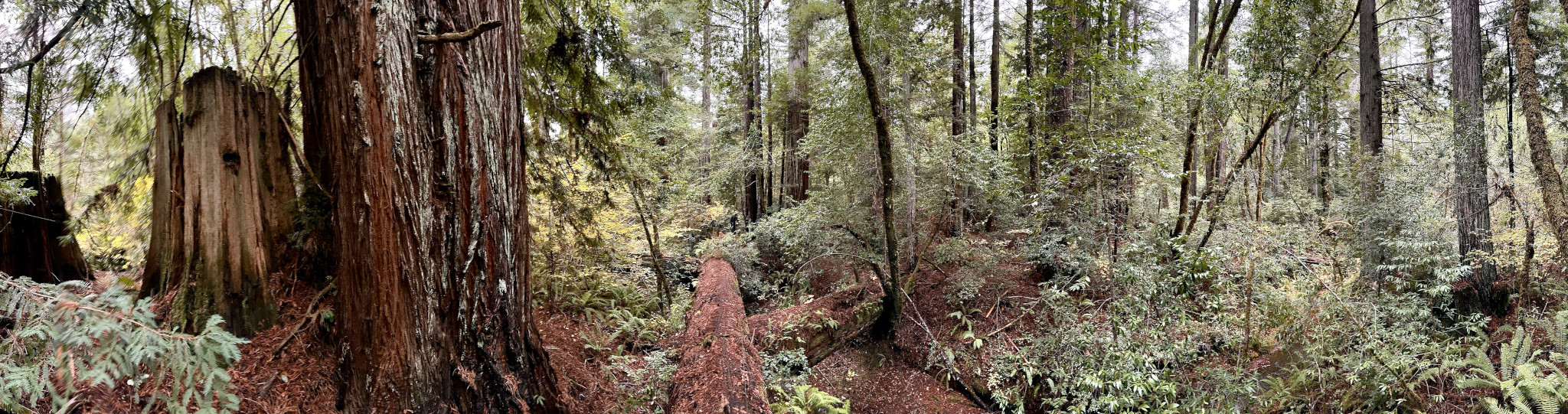
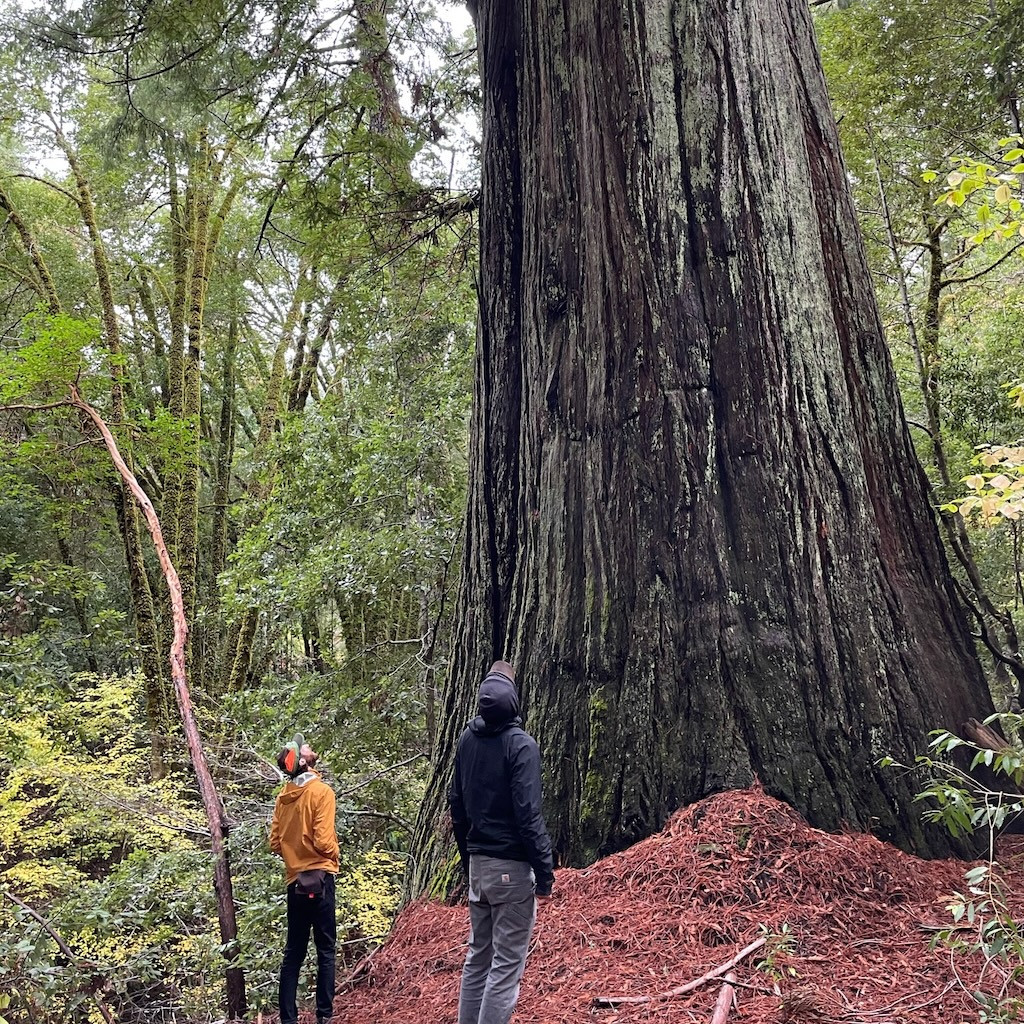
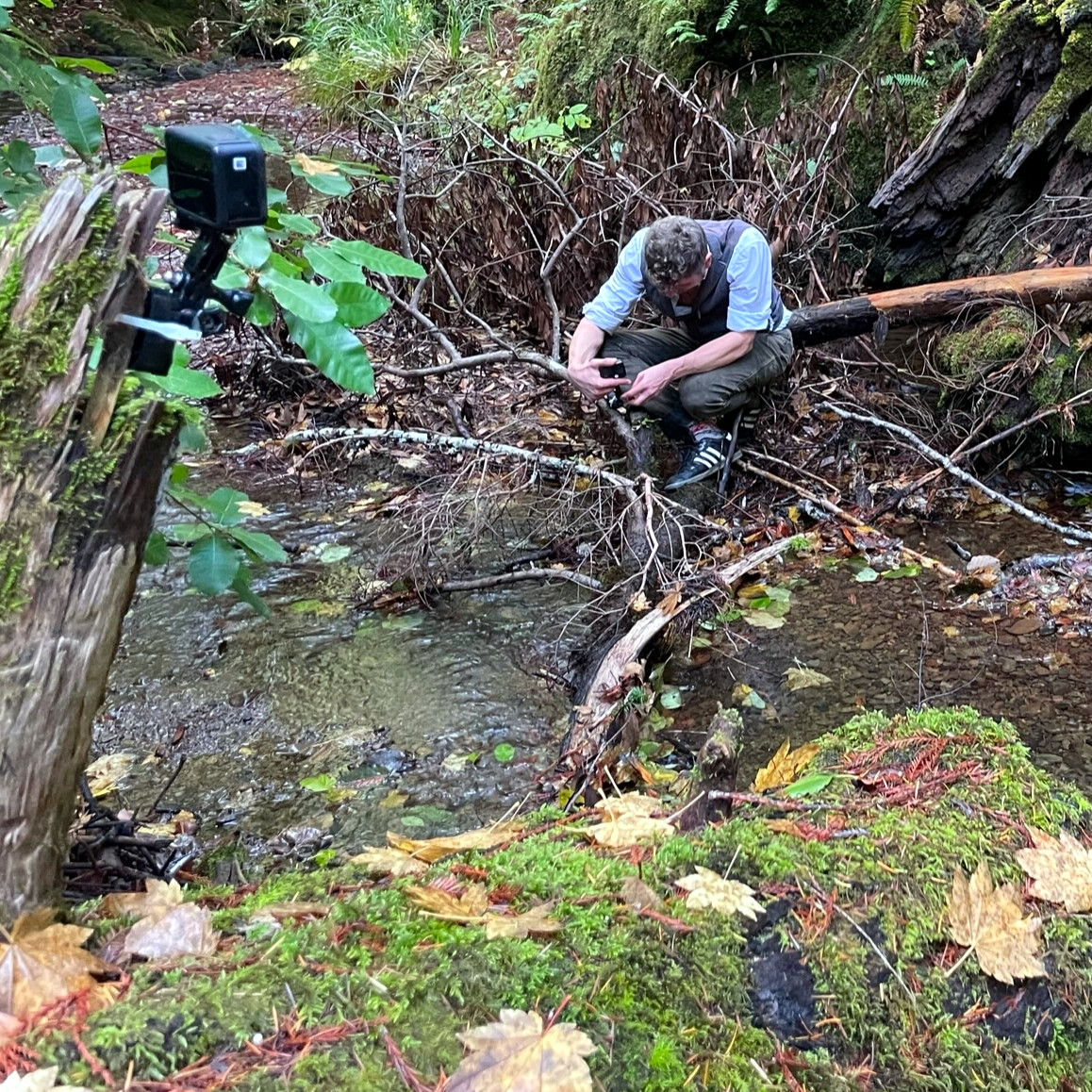
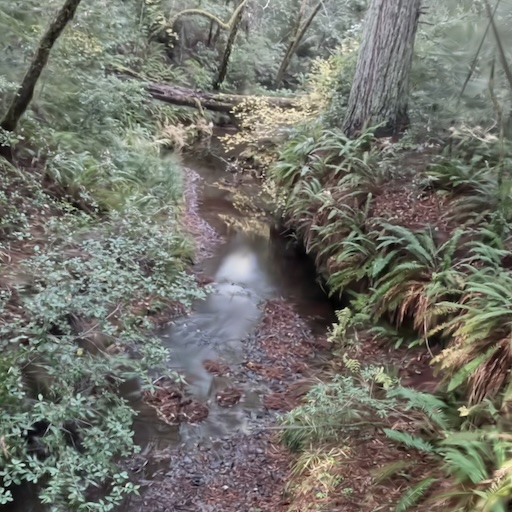
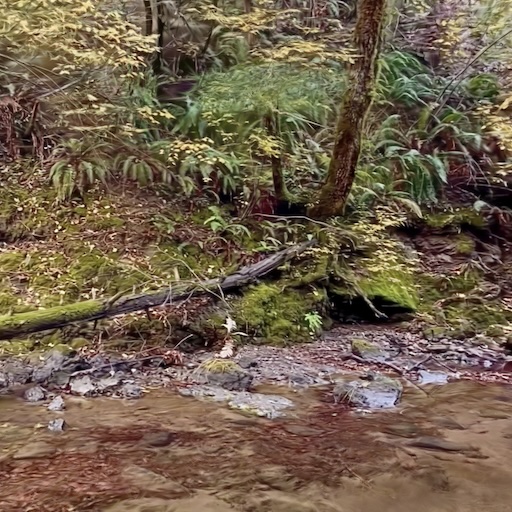
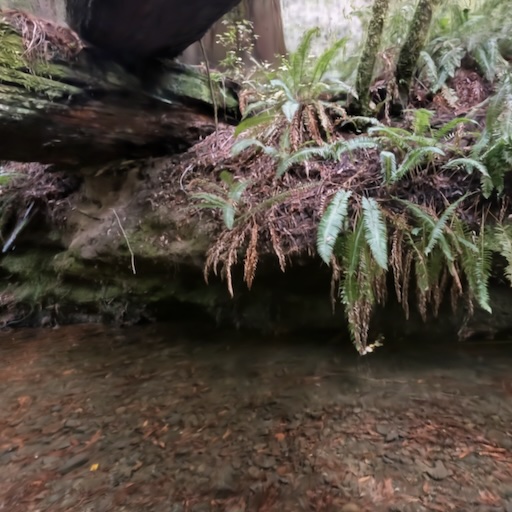
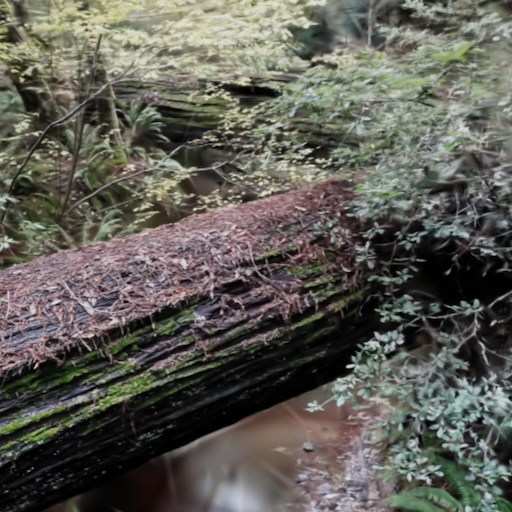
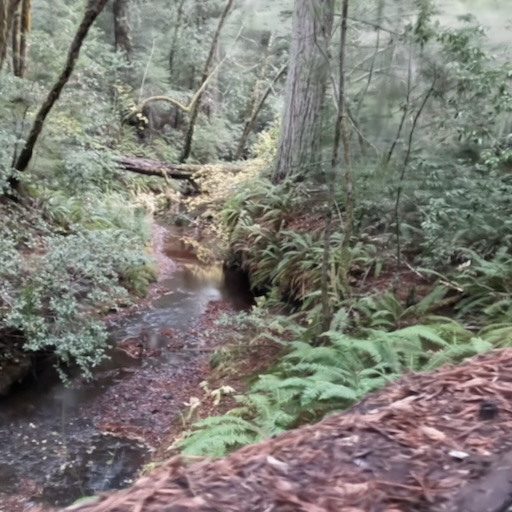
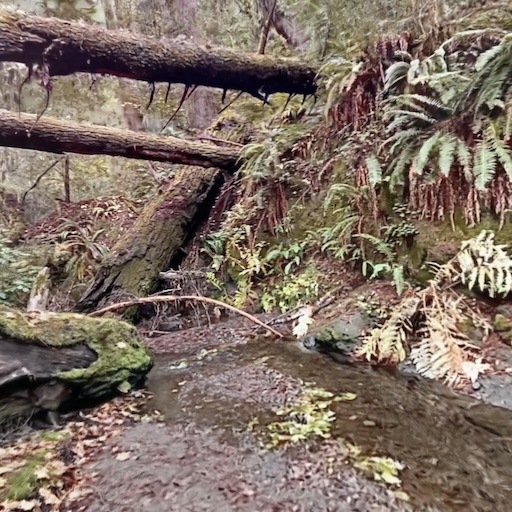
In November of 2023 we traveled to the reknown Redwood forests of Humboldt, California to evaluate the effectiveness of new photogrammetry techniques in the field. The unique beauty of these trees has been an inspiration to us, and the difficult terrain of massive fallen logs posed a difficult challenge for scans.
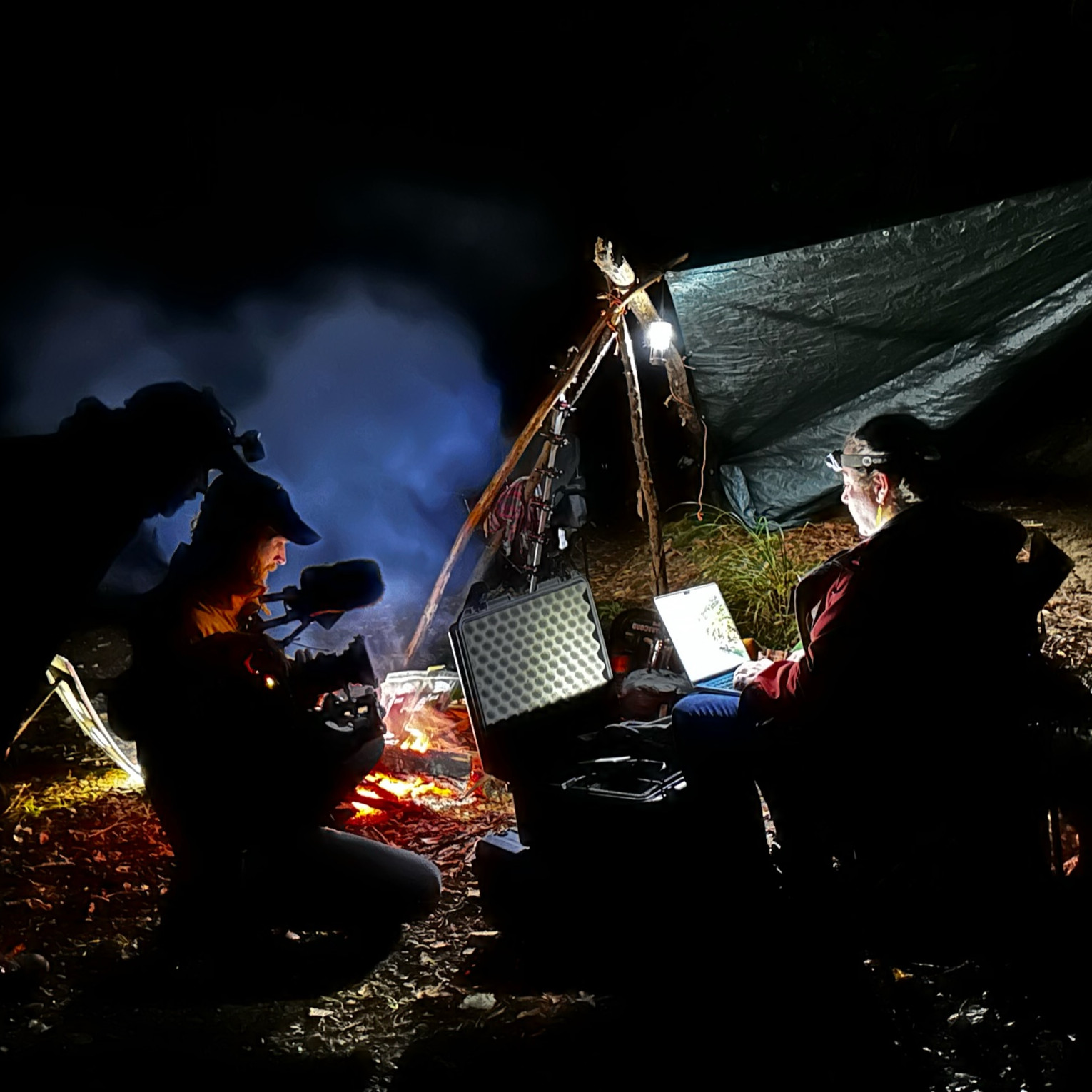
We were accompanied by documentary filmmaker, Anthony Svatek, his film crew, and a generous donation of 32 GoPro Hero Eight camera units from Lens Rentals (which the director kindly facilitated.)
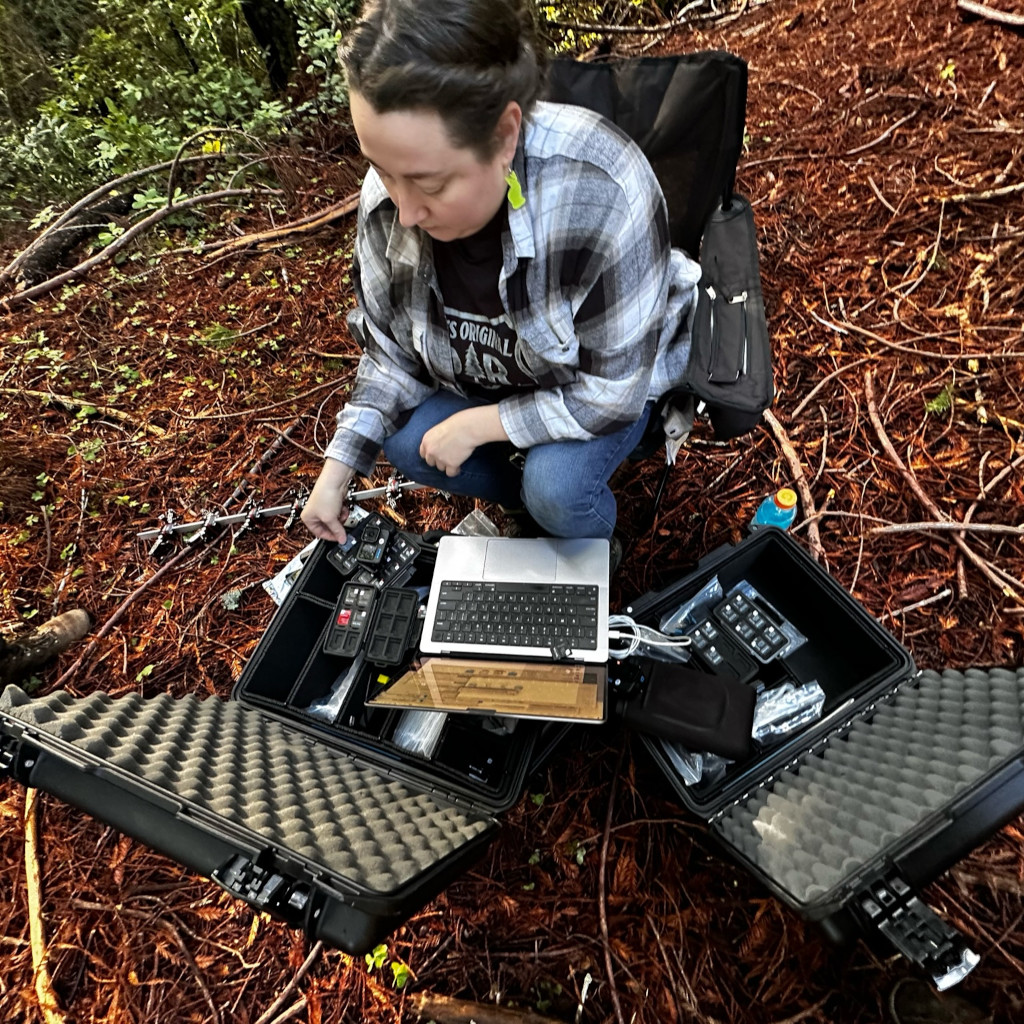
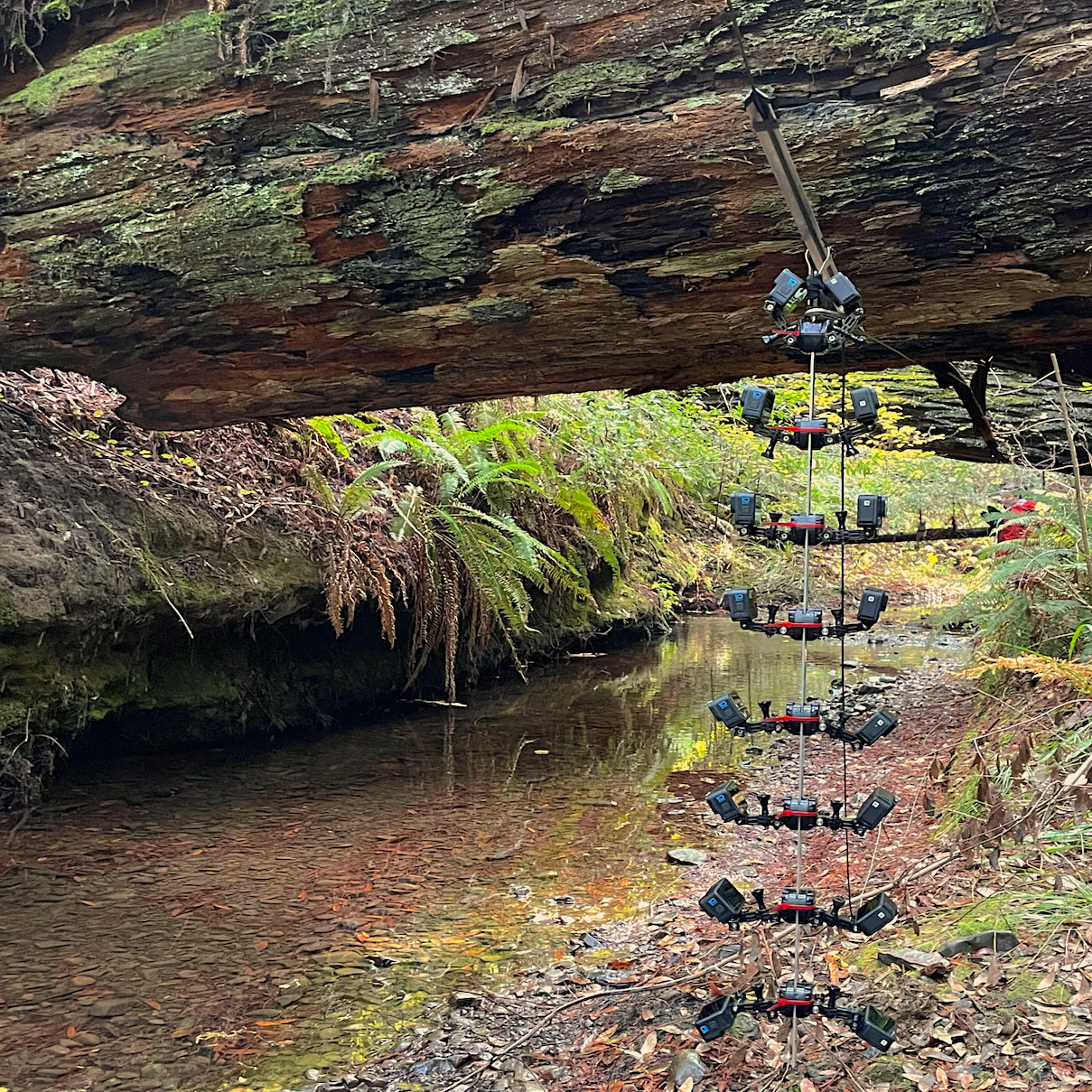
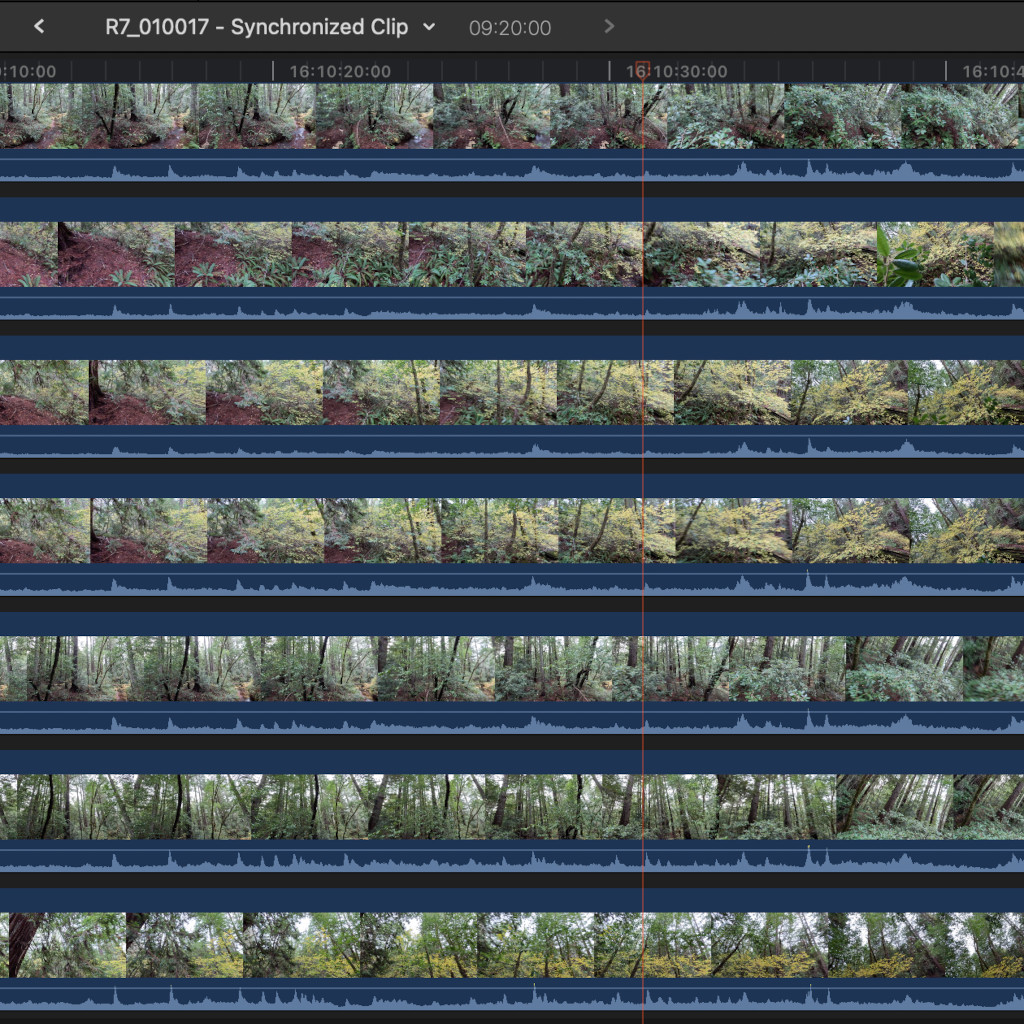
We tested two multi-sensor survey configurations : a constellation of 32 cameras, all focused on the same area from different positions and angles to generate the dataset for a radiance field video, and additionally, a linear optical array configuration designed to capture a singular volumetric scan over a larger area of difficult terrain spanned by cables.
The survey generated a meager 1.6TB of raw data, which we hope to release along with a research paper on the study later this year. We verified the effectiveness of the LOA approach (as well as it's drawbacks,) and look forward to the results of the 3D video.
Niue
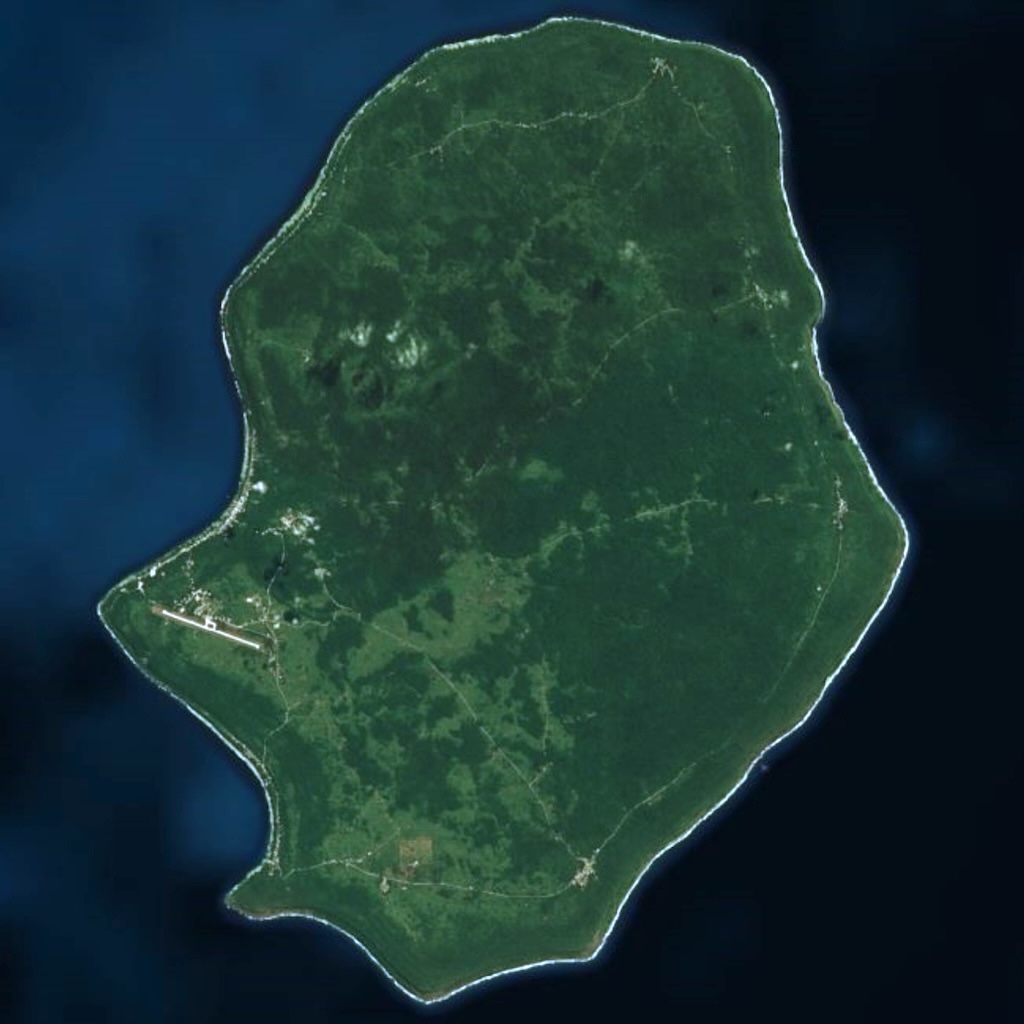
Our second pilot study expedition took us to the island nation of Niue.
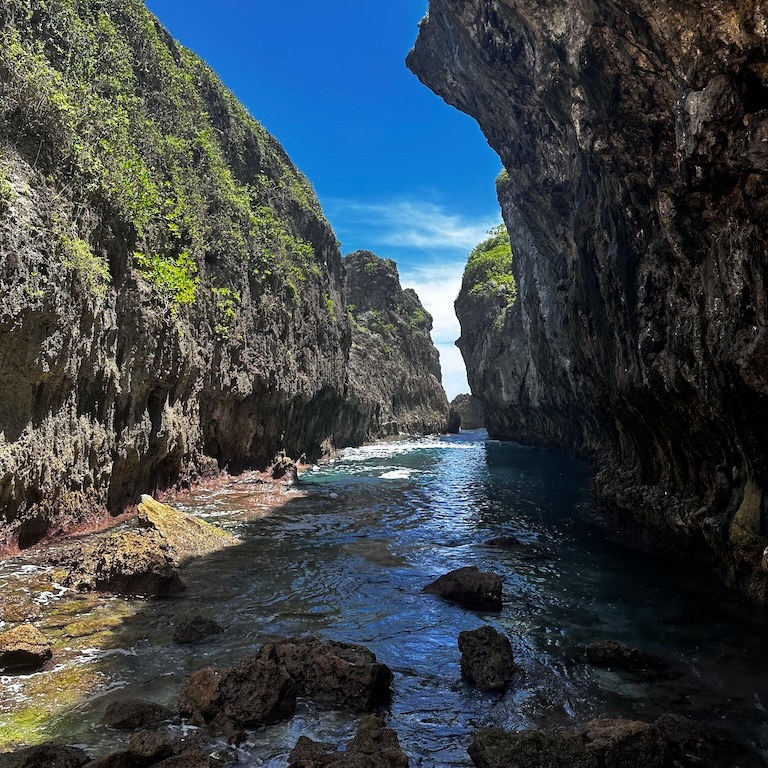
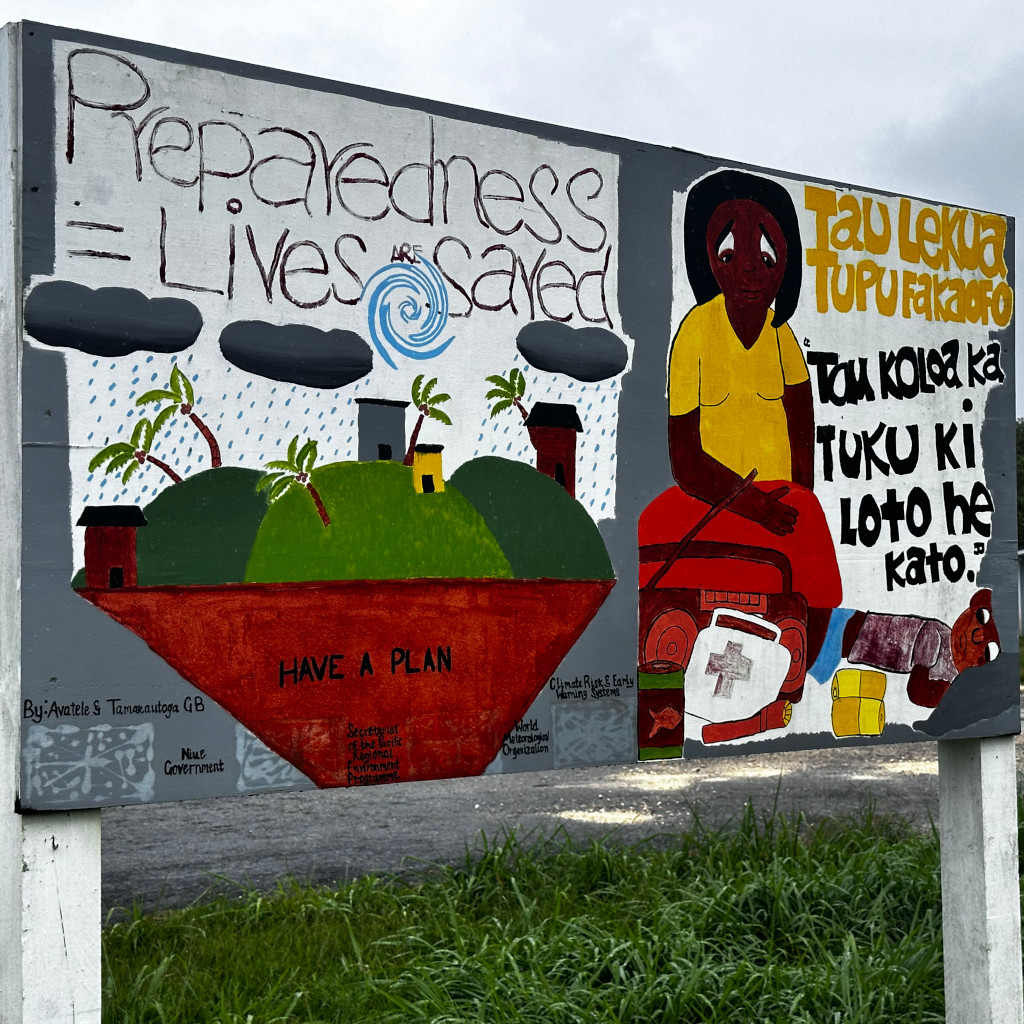
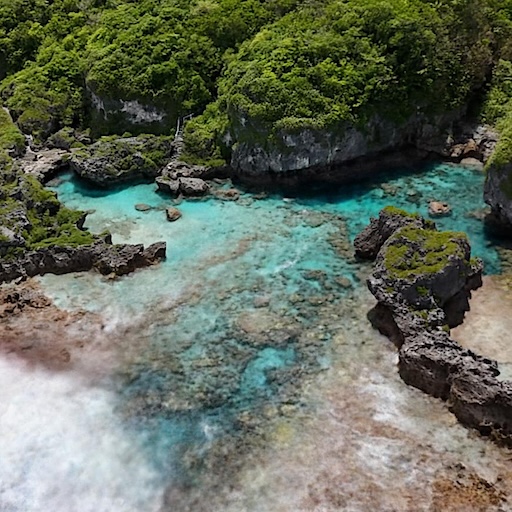
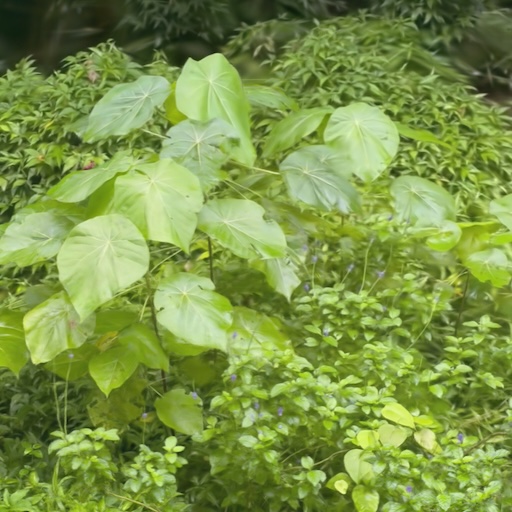
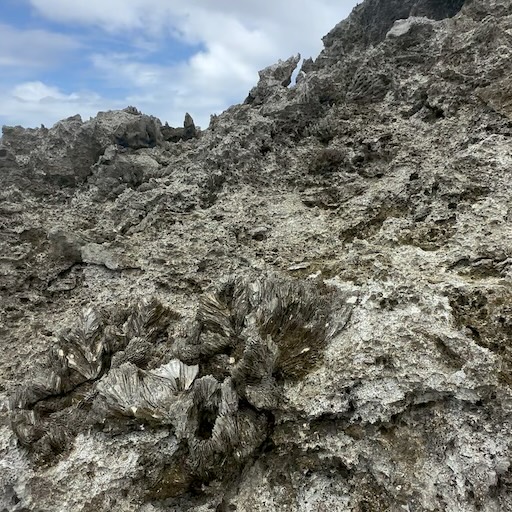
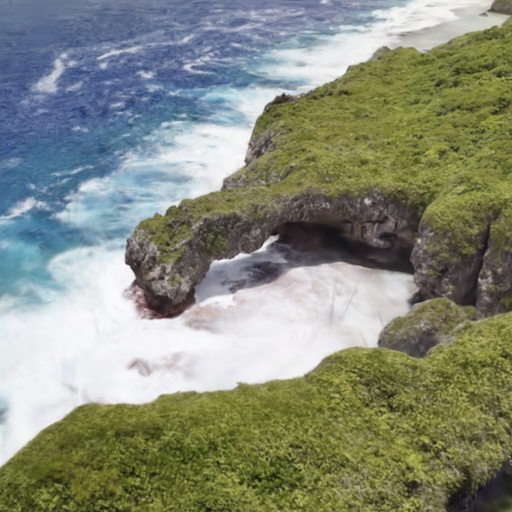
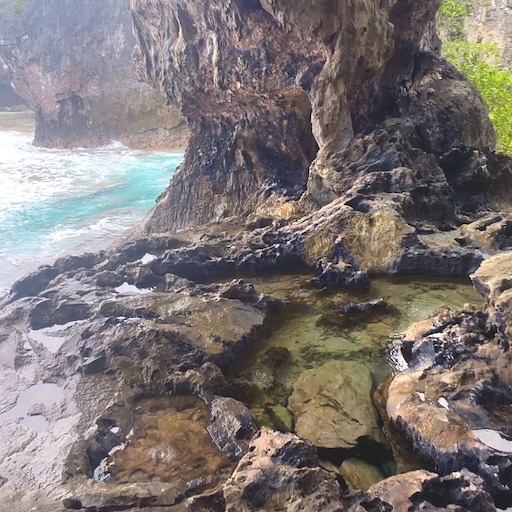
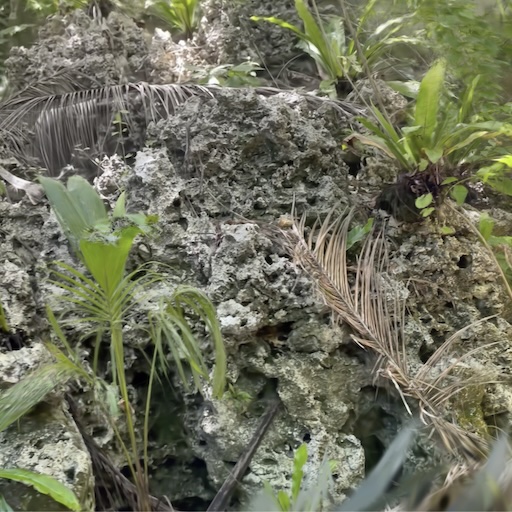
Shielded by steep cliffs on all sides, it's known as "The Rock of Polynesia" for its tiered limestone landscape of coral, caves, and chasms. We traveled the island testing out various methods of data collection. Along the way we met the locals, their government offcials, and their conservation organizations as well.
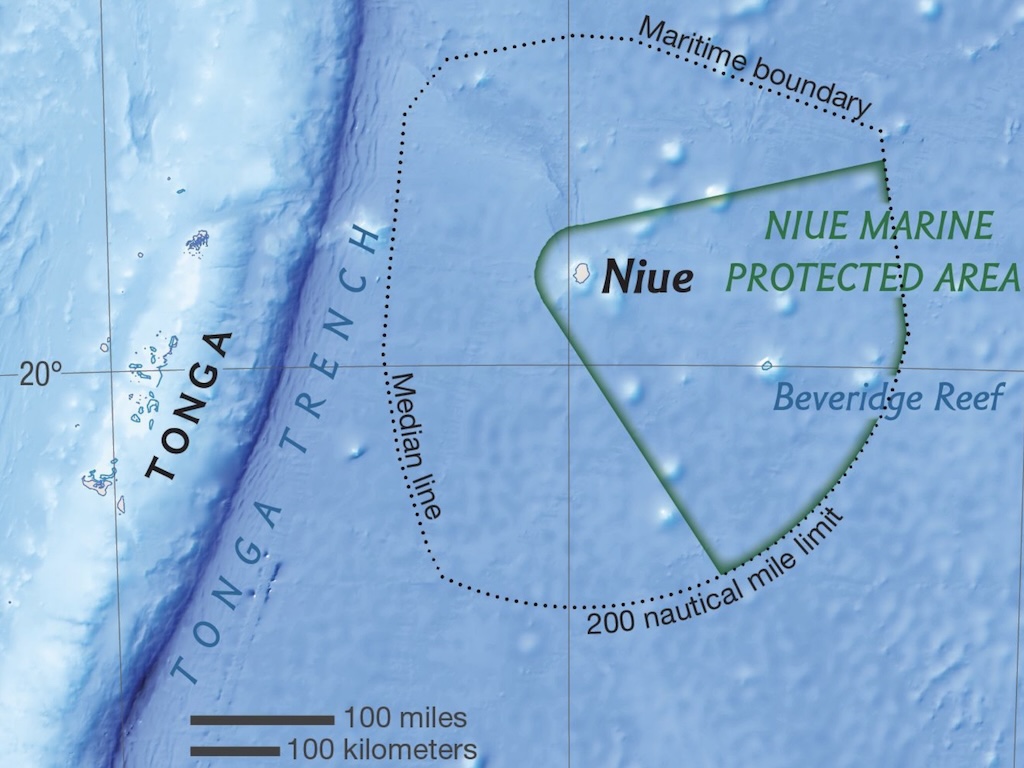
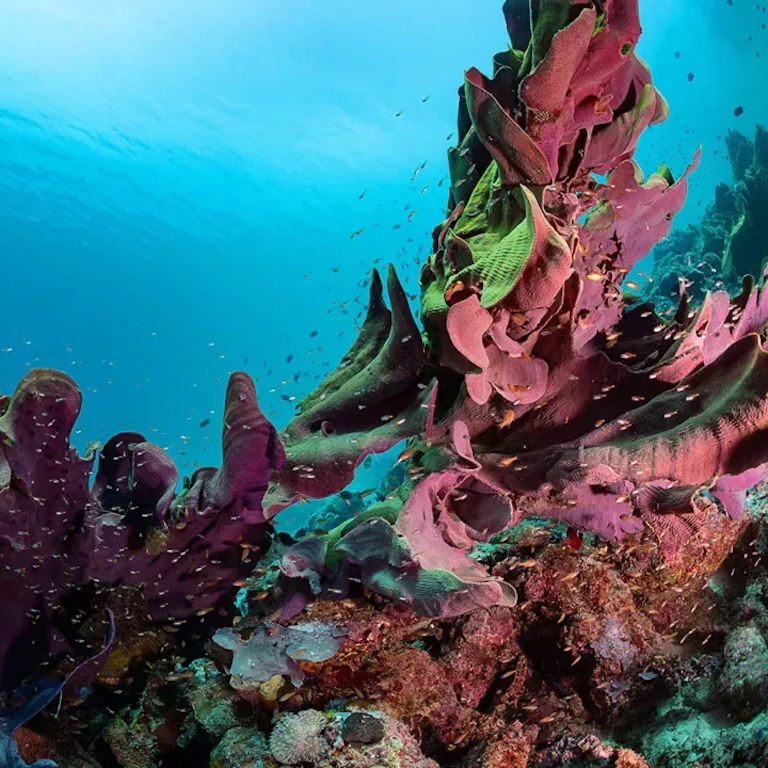
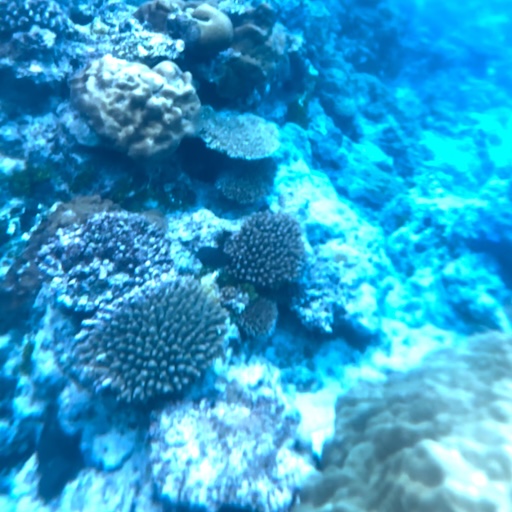
Beyond the pristine nature, we were drawn to Niue by their nation wide commitment to sustainable ecological developmental goals. Their Niue Ocean Wide organization is dedicated to sustainable management and restoration of the coral which rings the island, as well as the immaculate Moana Mahu Reef which covers 127,000sqkm offshore.
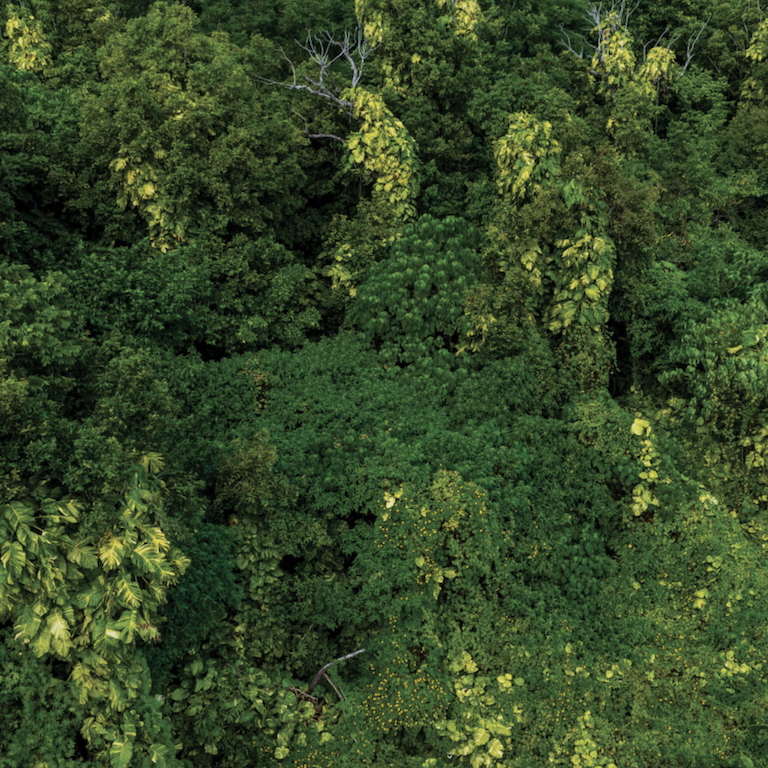
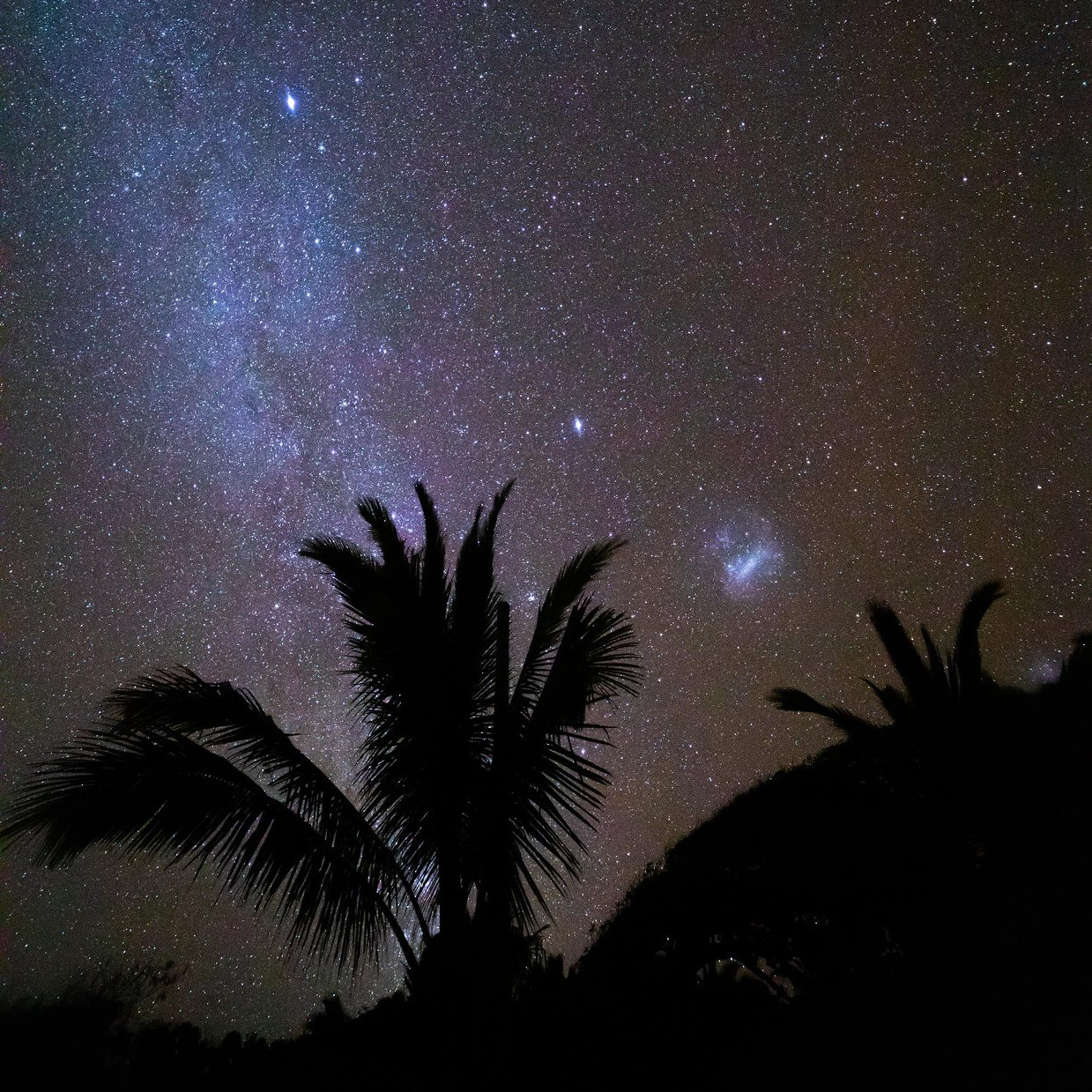
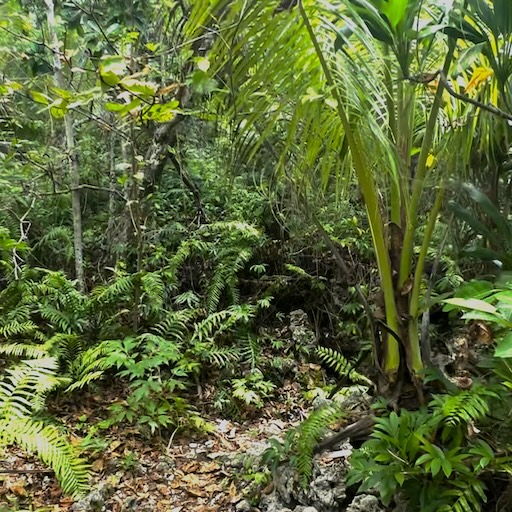
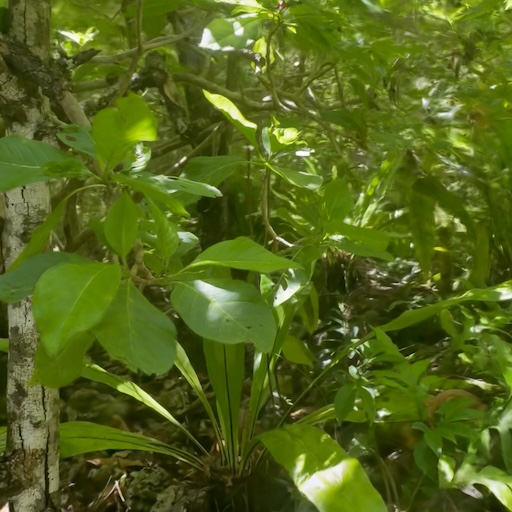
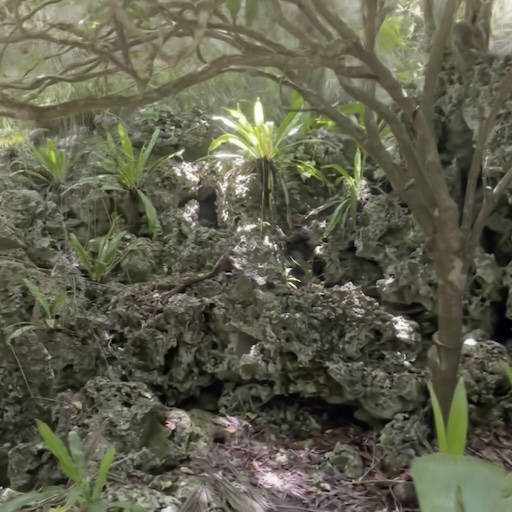
The Huvalu Forest Conservation Area spans almost a fifth of the island, preserving a pristine tropical rainforest full of ebony trees and native wildlife, and as the world's first Dark Sky Nation, Niue strictly controls light pollution to offer unparalleled views of our galaxy above us.
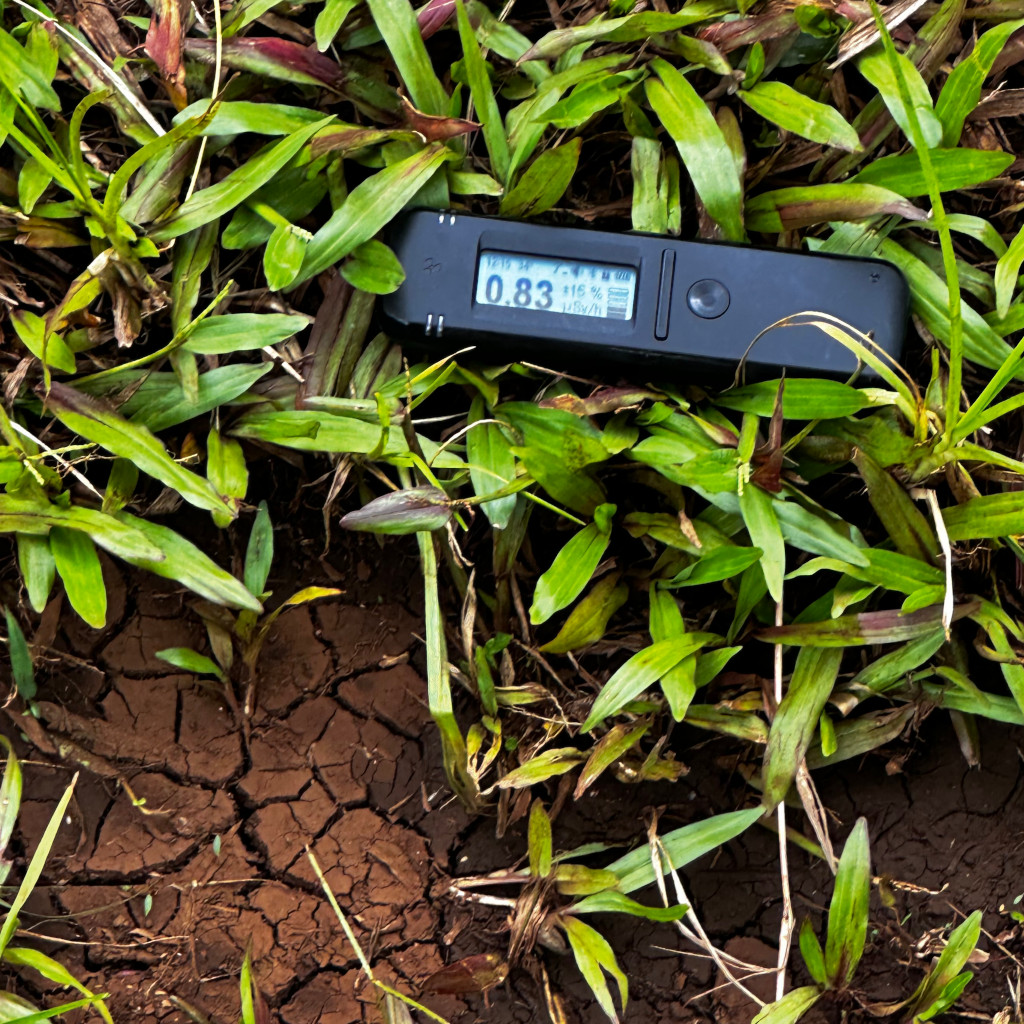
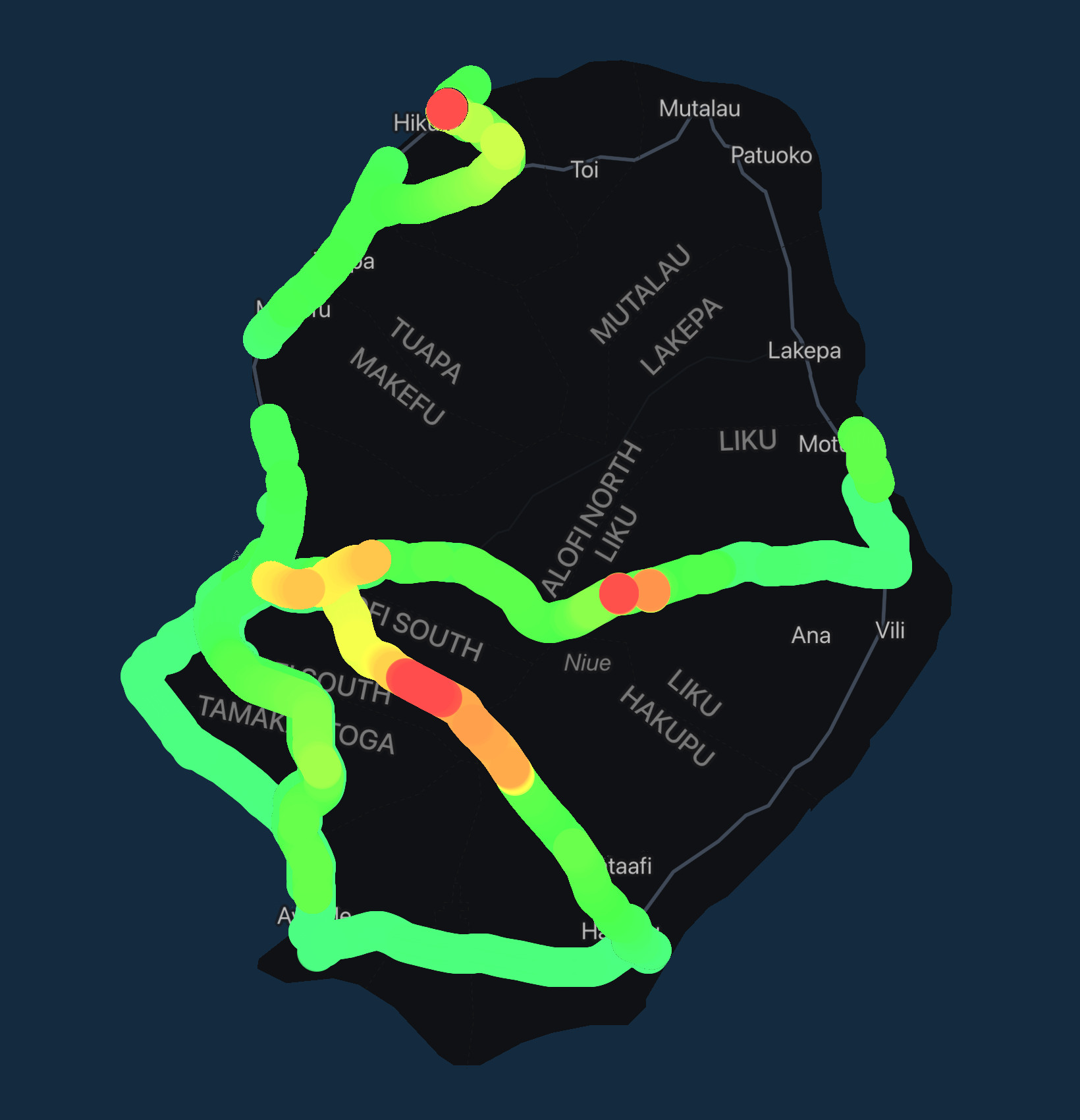
Uniquely, the unusually fertile red soil of the lush interior is naturally radioactive. In addition to photogrammetric drone scans, we performed a cursory survey of radiation levels across the island using a modern portable gamma ray spectrometer. Thankfully, results verify the island is well within safety guidelines.
To lean even more, check out the Niue Environmental Data Portal to delve deeper into the GIS science that helps keep the island healthy and safe.